In today’s fast-paced world, delivery drivers are in high demand. Whether it’s food delivery, package transport, or freight services, the rise of e-commerce and on-demand services has made this role essential. However, being a delivery driver is not as simple as just getting behind the wheel. There are specific qualifications and disqualifications that potential drivers must meet to ensure they are fit for the job. Disqualifications can arise from a range of factors, including driving history, health issues, or even personal habits that might impact the safety and efficiency of the delivery process.
The Role of a Delivery Driver
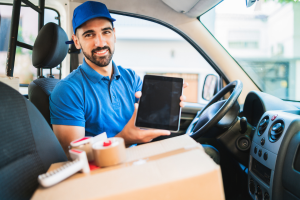
Delivery drivers are responsible for transporting goods from one location to another, ensuring that products are delivered on time and safely. Whether working for a small business, a delivery service like Uber Eats or DoorDash, or a major logistics company like FedEx or Amazon, drivers play a crucial role in keeping the supply chain running smoothly. Depending on the nature of the delivery, drivers may need to use personal cars, vans, or even large trucks.
The role of a delivery driver requires more than just the ability to drive. Drivers need a clean driving record, a good understanding of local traffic laws, physical endurance, and, in some cases, a commercial driver’s license (CDL). The disqualification factors listed below can help you understand whether you’re eligible for this job, and what steps you can take to overcome any obstacles.
What Disqualifies You From Being A Delivery Driver?
 Poor Driving Record
Your driving record is one of the most important factors when applying to become a delivery driver. Companies that hire delivery drivers need to ensure their employees can safely operate vehicles, whether they are using their own cars or larger commercial vehicles.
Points and Violations
If you’ve accumulated points on your license, especially for serious violations, you may be disqualified from working as a delivery driver. For example, in Ohio, drivers who accumulate 12 points within a two-year period are at risk of suspension, which would make them ineligible to drive for delivery services. Some common violations that could disqualify you include:
- Driving under the influence (DUI) or Operating a Vehicle under the Influence (OVI)
- Reckless driving
- Speeding violations, especially excessive speeding or multiple offenses
- Running red lights or failing to stop for stop signs
Certain serious violations can lead to an immediate disqualification. For example, if you are caught driving under the influence, even if it’s just a one-time incident, you might be disqualified from driving for delivery services, especially those that require a clean driving record like Amazon Flex or any company involving larger delivery trucks.
The Impact of Serious Violations
In addition to the legal penalties, companies typically look at serious violations like DUIs, reckless driving, and hit-and-run incidents as disqualifying offenses for delivery drivers. Many companies will require a clean driving record for a set number of years (often 3 to 5 years) before hiring new delivery drivers. If you have a history of traffic violations, it might be difficult to qualify for this type of job.
Failure to Maintain Proper Insurance
Another significant disqualification factor for delivery drivers is not having the right type of insurance. When driving for a delivery service, whether using your own vehicle or a company vehicle, insurance is essential. Personal auto insurance typically doesn’t cover the use of your vehicle for business purposes, and if you’re involved in an accident during delivery work, you might be left without coverage if you don’t have proper commercial insurance.
Commercial Auto Insurance
Delivery services like DoorDash or Uber Eats often require their drivers to have commercial auto insurance or an endorsement on their personal policy to cover business use. If you’re using your personal car for delivery, you’ll need to speak with your insurance provider to ensure that you have coverage in case of an accident. Delivery companies may also provide insurance coverage during specific shifts, but it’s often limited, and drivers are responsible for ensuring that they are covered while on duty.
What Happens if You Don’t Have Proper Coverage?
If you don’t maintain proper insurance and get into an accident while working as a delivery driver, you could face serious financial consequences, including personal liability and the potential loss of your job. Insurance lapses can disqualify you from continuing as a delivery driver, and some companies may ask to see proof of insurance before hiring you.
Health Issues and Physical Requirements
Being a delivery driver requires physical endurance, especially if you’re delivering large packages, food orders, or handling long shifts. Delivery drivers often spend long hours on the road and may need to lift heavy packages, drive in various weather conditions, or navigate difficult roads.
Health Conditions That Could Disqualify You
While most delivery companies do not have stringent medical requirements, certain health conditions can disqualify you from working as a delivery driver:
- Severe vision problems or uncorrected visual impairments
- Epilepsy or other conditions that cause sudden loss of consciousness or motor control
- Chronic pain or injuries that prevent you from safely operating a vehicle
- Heart conditions or other serious medical conditions that could affect your reaction time or endurance
Delivery drivers need to pass a basic medical evaluation in some cases, especially for those operating large vehicles. While smaller delivery jobs may not require a formal medical evaluation, it’s essential to stay in good physical condition to handle the demands of the job. If you are dealing with health issues that affect your ability to drive safely, it may be better to seek a job that doesn’t require you to drive or lift heavy objects.
Lack of a Valid Driver’s License or CDL
In Ohio, and many other states, you are required to have a valid driver’s license to be a delivery driver. If you have had your license suspended or revoked due to traffic violations or failure to pay fines, you will likely be disqualified from driving a vehicle for work.
 Commercial Driver’s License (CDL) Requirements
For delivery drivers working with large trucks or vehicles over a certain weight, you might need a Commercial Driver’s License (CDL). A CDL is required for anyone driving vehicles that weigh over 26,000 pounds or vehicles that carry hazardous materials. If you fail to obtain or maintain a CDL, you will be disqualified from driving for certain delivery services, especially those requiring larger vehicles.
In some cases, drivers with a CDL may face additional regulations or medical requirements. For example, CDL drivers must pass a physical exam and maintain their certification regularly. Drivers who do not meet these standards may be disqualified from driving for commercial delivery services.
Substance Abuse Issues
Delivery companies are extremely cautious when it comes to drivers who may have substance abuse issues, especially if the driver is working with a commercial vehicle. Being caught using drugs or alcohol while on the job can result in immediate disqualification from delivery driving.
Drug and Alcohol Testing
Some delivery services, especially those requiring a CDL, will require drug and alcohol testing, and failure to pass the test will disqualify you from continuing the job. Drivers must be aware of the rules regarding drug use, alcohol consumption, and other substances that may impair their ability to drive safely. If you fail a drug or alcohol test, you may lose your delivery job permanently, and it can be difficult to get hired with a prior substance abuse-related disqualification.
Inability To Navigate Delivery Routes
Delivery drivers are often required to use GPS devices or apps to navigate unfamiliar routes. If you are unable to navigate efficiently or get lost easily, this could make you a less desirable candidate for a delivery driver role.
While navigating basic routes is typically not a problem for most drivers, those who struggle with directions, maps, or GPS technology may find themselves disqualified from more complex or higher-demand delivery jobs. Delivery drivers need to be able to adapt quickly and understand traffic patterns, shortcuts, and the best routes to ensure timely deliveries.
How To Stay Qualified As A Delivery Driver In Ohio
If you’re looking to work as a delivery driver and are concerned about your driving record, credit points through an approved remedial driving course can be a helpful way to stay on top of your record and avoid disqualification due to excessive points accumulation. Visit Online Two-Point Driving Classes Today!
Common FAQs About Disqualifications for Delivery Drivers
1. What Disqualifies You From Being A Delivery Driver In Ohio?
Factors like a poor driving record, lack of proper insurance, certain health conditions, substance abuse, and failure to maintain a valid driver’s license or CDL can disqualify you from being a delivery driver.
2. Can My Personal Vehicle Tickets Affect My Ability To Be A Delivery Driver?
Yes. Serious violations in a personal vehicle, such as speeding, DUI, or reckless driving, can impact your eligibility to drive for a delivery service, especially if they lead to points on your record.
3. Do Delivery Drivers Need To Have Special Insurance?
Yes, delivery drivers must have the proper insurance. Personal auto insurance typically doesn’t cover business-related use, so delivery drivers need to ensure they have either commercial insurance or a specific endorsement for business use.
4. What Health Conditions Could Disqualify Me From Being A Delivery Driver?
Health conditions that could affect your ability to drive safely, such as severe vision impairments, epilepsy, chronic pain, or heart conditions, could disqualify you from being a delivery driver.
5. Do I Need A Commercial Driver’s License (CDL) To Be A Delivery Driver?
If you’re driving a commercial vehicle over 26,000 pounds or transporting hazardous materials, you’ll need a CDL. For smaller vehicles, a CDL may not be necessary, but the specific requirements depend on the type of delivery service.
6. How Many Points On My Ohio License Can Lead To Disqualification From Being A Delivery Driver?
If you accumulate 12 or more points on your Ohio driving record within two years, you may face a suspension, which can disqualify you from driving as a delivery driver.
7. What Is A “Serious Traffic Violation” For A Delivery Driver?
A serious traffic violation can include offenses like speeding over 15 mph above the limit, reckless driving, texting or using a handheld device while driving a CMV, or causing a fatal accident while operating a CMV.
8. Can Drug or Alcohol Use Disqualify Me From Being A Delivery Driver?
Yes, drug and alcohol use can disqualify you from being a delivery driver. If you fail a drug or alcohol test, it can result in permanent disqualification from driving for delivery services, especially those requiring a CDL.
9. What Is The Role Of “Credit Points” For A Delivery Driver In Ohio?
In Ohio, eligible drivers can complete an approved remedial driving course and apply for a two-point credit on their driving record. This helps manage point accumulation but does not erase past violations or disqualifications.
10. Do I Need To Notify My Employer About Traffic Violations If I Have A CDL?
Yes, if you have a CDL, you must notify your employer within 30 days if you are convicted of a traffic violation (other than parking). This is required by both Ohio law and federal CDL regulations.

Jim Trakas is a licensed instructor with the Ohio Department of Public Safety’s Driver Training Program. He has a distinguished history of public service, including his role as a former member of the Ohio House of Representatives and current Councilperson at Large for the City of Independence.
As the founder and owner of the American Online Learning Center, Jim has been providing comprehensive behavioral corrective programming since 2014, helping individuals achieve meaningful personal growth and development.
Jim’s commitment to service extends to his military background, where he has earned several prestigious honors. He was awarded the Ohio Commendation Medal by the Ohio Army National Guard and the Pandemic Campaign Medal by the United States Public Health Service. Additionally, he is an Honor Graduate of the Ohio Military Reserve Training Academy’s Officer Candidate School and a two-time recipient of the Military Proficiency Award, as well as the Military Achievement Award.