
Summer road construction is a normal part of driving in Ohio. Warmer weather gives crews more time to repair pavement, improve bridges, restripe lanes, rebuild interchanges, and handle projects that are difficult to complete during winter. For drivers, that means more orange barrels, lane closures, detours, narrowed lanes, temporary speed limits, and changing traffic patterns.
While road construction is necessary, summer work zones can increase accident risks when drivers are distracted, speeding, following too closely, or failing to adjust to unfamiliar conditions. Ohio law requires drivers to travel at a speed that is reasonable for the conditions and to maintain enough control to stop within the assured clear distance ahead. That rule matters even more in work zones, where normal driving patterns can change quickly.
Why Summer Construction Creates More Driving Challenges
Summer is a busy travel season. More people are on the road for vacations, weekend trips, events, work commutes, and daily errands. At the same time, road crews are often working on major repair and improvement projects. That combination creates more congestion around construction areas.
In Ohio, a work zone can include lane shifts, barrels, concrete barriers, closed shoulders, temporary pavement markings, construction equipment, and workers near active traffic. These conditions can make a familiar road feel unfamiliar overnight. A driver who knows a route well may suddenly face a closed ramp, a temporary merge, or a new traffic pattern.
Work zones also demand more attention. Drivers have to watch signs, vehicles ahead, merging traffic, reduced speed limits, flaggers, and construction equipment all at once. When drivers treat a work zone like a normal stretch of highway, the risk of crashes increases.
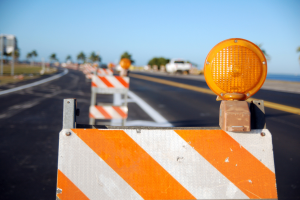 Work Zones Make Following Distance More Important
Following too closely is risky anywhere, but it becomes especially dangerous in construction zones. Traffic speeds can change suddenly when lanes narrow, workers enter or leave the area, construction vehicles move, or drivers react to new signs and traffic patterns.
Federal work zone safety guidance emphasizes slowing down, staying alert, and following posted signs in work zones. These basics matter because extra space gives you time to notice brake lights, traffic backups, and merging vehicles before you are forced into a hard stop.
In summer work zones, drivers should leave more space than they normally would. Tailgating gives you less time to react, blocks your view of signs and hazards ahead, and increases the chance of a rear-end crash.
Workers Near Traffic Need Extra Protection
Work zones are not just about barrels and signs. They are also workplaces. Crews may be standing near lanes, walking behind barriers, operating equipment, or working close to passing traffic.
That is why work zone safety is not only about avoiding tickets. It is about protecting people. Drivers should obey posted signs, follow flagger instructions, and avoid distractions. A few seconds of inattention can create serious danger for workers and other drivers.
Summer Weather Can Make Work Zones Worse
Ohio summer weather can change quickly. Heavy rain can make temporary pavement markings harder to see, increase stopping distance, and create standing water in uneven construction areas. Bright sun can create glare off pavement, barrels, equipment, and signs.
Heat can also affect drivers. Long delays in traffic can increase frustration and fatigue. A tired or impatient driver is more likely to follow too closely, speed, or make abrupt lane changes.
In summer work zones, patience is part of safety. Give yourself extra travel time, keep your attention on the road, and avoid letting delays push you into risky decisions.
Why Work Zone Signs Matter
Work zone signs are posted to give drivers time to respond. They may warn about lane closures, reduced speed limits, flaggers, uneven pavement, shoulder closures, detours, or stopped traffic ahead.
A common mistake is ignoring early warning signs because the work activity is not visible yet. But those signs are placed before the hazard so drivers can slow down and merge gradually.
When signs say “Road Work Ahead,” “Lane Closed,” “Prepare To Stop,” or “Flagger Ahead,” treat them seriously. Waiting until the last second increases crash risk for everyone around you.
Work Zone Violations Can Affect Your Driving Record
A work zone violation can do more than create a stressful roadside stop. Depending on the violation, it may add points to your Ohio driving record. Ohio’s BMV explains that a 12-point suspension occurs when a driver receives 12 or more points within a two-year period.
For drivers already carrying points, another moving violation can become a bigger issue. Ohio law allows eligible drivers with at least two but fewer than twelve points to complete an approved remedial driving course and apply for a two-point credit, subject to Ohio’s rules and limits.
That does not erase a violation or make a ticket disappear. It is a credit points option for eligible Ohio drivers who want to manage their driving record within the state’s approved process.
Practical Tips For Safer Summer Work Zone Driving
- Slow down before you enter the work zone, not after traffic has already tightened around you.
- Leave extra following distance so you have time to react to sudden stops.
- Watch for lane shifts, barrels, uneven pavement, and temporary markings.
- Avoid distractions, especially phones and navigation adjustments.
- Merge early and calmly when signs warn that a lane is ending.
- Obey flaggers and posted signs.
- Expect construction vehicles to enter or leave the roadway.
- Be patient during delays instead of driving aggressively.
- Use headlights in rain or low visibility.
- Plan ahead when traveling through major construction areas.
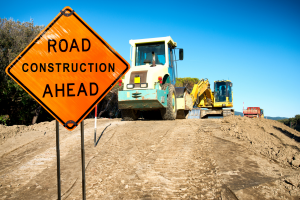 How Online Two-Point Driving Classes Fits In
Online Two-Point Driving Classes focuses on Ohio remedial driver improvement education. The company’s About page describes it as an Independence, Ohio-based, American-owned and operated technology company focused on remedial driver improvement classes.
For eligible Ohio drivers, an approved remedial driving course may support the process of applying for a two-point credit under Ohio rules. Credit points can be a helpful tool for drivers who want to stay aware of their record, but safe driving habits are still the most important protection—especially in summer work zones where conditions can change quickly.
Summer Road Construction In Ohio
If you want to stay current on safer driving habits and understand how credit points may fit into your Ohio driving record, Online Two-Point Driving Classes offers driver improvement education designed for Ohio drivers. Check out our course to learn more or sign up today!
FAQs
1. Why Does Summer Road Construction Increase Accident Risks In Ohio?
Summer road construction creates lane closures, detours, narrowed lanes, temporary traffic patterns, and increased congestion, all of which require drivers to pay closer attention and adjust their driving habits.
2. What Makes Ohio Work Zones More Dangerous Than Normal Roads?
Work zones often include shifting lanes, reduced shoulders, construction equipment, workers near traffic, and changing traffic patterns that leave less room for driver error.
3. Why Is Following Distance So Important In Construction Zones?
Traffic can slow unexpectedly due to lane closures, merging vehicles, workers, or equipment. Extra following distance gives drivers more time to react and helps prevent rear-end collisions.
4. How Can Summer Weather Increase Work Zone Risks?
Heavy rain can reduce visibility and increase stopping distances, while heat, glare, and traffic delays can contribute to driver fatigue, frustration, and poor decision-making.
5. What Should Drivers Do When Approaching A Work Zone?
Drivers should slow down, pay attention to warning signs, increase following distance, avoid distractions, and prepare for changing traffic conditions.
6. Why Are Work Zone Signs Important?
Work zone signs provide advance notice of lane closures, reduced speed limits, flaggers, detours, and other hazards, giving drivers time to respond safely.
7. Can Work Zone Violations Affect My Ohio Driving Record?
Yes. Certain work zone violations may result in points being added to your Ohio driving record, which can contribute to license suspension if enough points accumulate.
8. What Is A Two-Point Credit In Ohio?
Eligible Ohio drivers may complete an approved remedial driving course and apply for a two-point credit on their driving record, subject to Ohio’s requirements and limitations.
9. What Are Some Practical Tips For Safer Driving In Summer Work Zones?
Important safety practices include slowing down, leaving extra following distance, watching for lane shifts, obeying flaggers, avoiding distractions, and planning ahead for construction-related delays.
10. How Can Online Two-Point Driving Classes Help Ohio Drivers?
Online Two-Point Driving Classes provides Ohio remedial driver improvement education and may help eligible drivers pursue a two-point credit while reinforcing safe driving habits.

Jim Trakas is a licensed instructor with the Ohio Department of Public Safety’s Driver Training Program. He has a distinguished history of public service, including his role as a former member of the Ohio House of Representatives and current Councilperson at Large for the City of Independence.
As the founder and owner of the American Online Learning Center, Jim has been providing comprehensive behavioral corrective programming since 2014, helping individuals achieve meaningful personal growth and development.
Jim’s commitment to service extends to his military background, where he has earned several prestigious honors. He was awarded the Ohio Commendation Medal by the Ohio Army National Guard and the Pandemic Campaign Medal by the United States Public Health Service. Additionally, he is an Honor Graduate of the Ohio Military Reserve Training Academy’s Officer Candidate School and a two-time recipient of the Military Proficiency Award, as well as the Military Achievement Award.