
Window tint is popular for comfort and privacy, but in Ohio it’s also a common reason drivers get questioned during a traffic stop. The challenge is that “dark” is not a legal standard. Ohio’s rules focus on how much visible light still passes through your glass after tint is applied, whether the tint is reflective, and whether required labeling and equipment are in place. Ohio’s tint authority comes from state law (R.C. 4513.241) and the Ohio Administrative Code rules adopted under it.
Start With The Standard Ohio Uses: Visible Light Transmittance
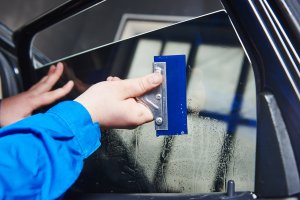 Ohio measures tint legality using Visible Light Transmittance (VLT), which is the percentage of visible light that passes through the window. The critical detail is that Ohio’s specifications apply to the tint “when used in conjunction with the safety glazing materials” of the window, meaning the final combined window (factory glass + applied tint) must meet the standard.
That’s why choosing tint based only on what the film box says can lead to surprises. If your factory glass already filters some light, adding a film that seems “legal” on its own can push the final VLT below Ohio’s limit for certain windows.
Ohio Tint Limits At A Glance
Ohio’s core “specifications” appear in Rule 4501-41-03 within Chapter 4501-41 of the Ohio Administrative Code.
Windshield Rules In Ohio
Ohio allows sunscreening material on the windshield only if the combined window still has a light transmittance of not less than seventy percent plus or minus three percent) and the material is not red or yellow in color.
Ohio also allows a top “sun strip” as long as it does not extend downward beyond the AS-1 line or five inches from the top of the windshield, whichever is closer to the top. If your strip drops lower than that, it can create an easy-to-spot compliance issue from outside the vehicle.
Front Side Windows Rules In Ohio
The side windows immediately to the right and left of the driver must allow not less than fifty percent plus or minus three percent) light transmittance, and the material cannot be red or yellow.
In practice, this “front two windows” rule is where most tint trouble happens, because drivers often want privacy up front and assume matching the rear tint is acceptable. Ohio’s rule is stricter for the front driver and front passenger windows.
Rear Side Windows And Rear Window Rules In Ohio
For windows not otherwise listed in the rule, Ohio generally allows sunscreening material, with one major equipment condition tied to the rear window: if sunscreening material is applied to the rear window and the combined light transmittance is less than fifty percent (plus or minus three percent), outside left and right rear view mirrors are required.
This is why many vehicles can have darker rear glass than front glass in Ohio, but you still need the proper mirror setup if your rear window is very dark.
What Ohio Clearly Prohibits: Reflective Materials
Ohio law is blunt about reflective tint: “No reflectorized materials shall be permitted” upon or in any front windshield, side windows, sidewings, or rear window.
If your tint has a mirror-like look, that reflectivity can be a compliance problem regardless of whether it seems “light enough.”
The Tint Label Requirement Many Drivers Miss
Ohio also requires labels identifying sunscreening material for motor vehicles beginning with the 1990 model year. The label must identify the manufacturer’s name and the percentage level of light transmission, be legible, and be placed in the lower left-hand corner of the window when viewed from the outside.
This label requirement matters for two reasons. First, it’s part of compliance under Ohio’s rules. Second, it’s a quick way for an officer to see what you installed without guessing. If your tint is legal but your label is missing or unreadable, you may spend more time explaining yourself at the roadside.
Privacy Drapes, Curtains, And Blinds Can Trigger A Stop Too
Ohio’s tint chapter doesn’t only talk about film. It also addresses privacy drapes, louvers, curtains, and blinds, stating a motor vehicle equipped with them cannot be operated unless they are open and secure during vehicle operation.
What Gets You Stopped: The Most Common Tint Issues
Tint stops usually happen because an officer notices something that’s visually obvious or commonly tied to violations. These are the most frequent “attention-getters” under Ohio’s rules.
Front Windows That Appear Too Dark
Because Ohio requires the two front side windows to have at least fifty percent (plus or minus three percent) light transmittance, an overly dark driver or passenger window is one of the most noticeable issues, especially in daylight when an officer can’t easily see inside.
Windshield Tint That Is Too Dark Or A Sun Strip That Sits Too Low
Windshield tint must remain very light (seventy percent VLT minimum,plus or minus three percent). Separately, a sun strip must stay above the AS-1 line or five inches from the top, whichever is closer to the top. A low strip is visible from outside and often stands out even without a meter reading.
Reflective Or “Mirrored” Tint
Reflective tint is prohibited on all windows in Ohio. If the glass looks like a mirror, that visual reflectivity can draw attention quickly.
Missing Tint Labels On A 1990 Or Newer Vehicle
If the tint label is missing, peeling, or not placed as required (lower-left corner, outside view), that can become part of the stop conversation, even if your VLT is otherwise compliant.
 Dark Rear Window Without Proper Mirrors
If your rear window is tinted below fifty percent (plus or minus three percent), Ohio requires both outside mirrors. If a vehicle has dark rear glass and lacks proper mirrors, it can present an equipment issue that’s easy to spot.
How Officers Check Tint: VLT Meters And Combined Glass
Many agencies use VLT meters to verify tint violations rather than relying on a guess. For example, the Cleveland Division of Police published guidance stating officers use window tint meters to verify violations of Ohio’s tinted glass law and defining VLT as the amount of light that passes through glass.
Just as important, Ohio’s rule is about the combined effect of film and factory glazing. That means two vehicles with the “same film” can measure differently if their factory glass differs.
Ready to choose Online Two Point Driving Classes?
Online Two Point Driving Classes is an Ohio-based program that positions itself around an online learning model. If you’re eligible and want the flexibility of remote learning, an online course can be the simplest way to complete your requirement and pursue your two-point credit within Ohio’s rules.
Common FAQs About Window Tint
-
What Is The Legal Tint Limit On Front Side Windows In Ohio?
Ohio allows sunscreening material on the front side windows (immediately right/left of the driver) only if the combined glass has a visible light transmittance of not less than 50% (± 3%), and it is not red or yellow.
-
Can I Tint My Windshield In Ohio?
Ohio allows sunscreening material on the windshield only if the combined glass has a visible light transmittance of not less than 70% (plus or minus 3%), and it is not red or yellow.
-
Is A Windshield Sun Strip Legal In Ohio?
A top windshield strip is allowed as long as it does not extend below the AS-1 line or five inches from the top of the windshield, whichever is closer to the top (and that strip area is not regulated by the tint rule).
-
Can I Have Dark Tint On The Back Side Windows And Rear Window In Ohio?
Ohio’s rule is more flexible for windows other than the windshield and the two front side windows, but if the rear window’s combined light transmittance is less than 50% (plus or minus 3%), the vehicle must have outside left and right rearview mirrors.
-
Is Reflective Or “Mirror” Tint Legal In Ohio?
No. Ohio law states no reflectorized materials are permitted on the windshield, side windows/sidewings, or rear window.
-
Are Any Tint Colors Specifically Not Allowed In Ohio?
For windshield tint and the two front side windows under the Ohio tint rule, the material cannot be red or yellow.
-
Do I Need A Tint Sticker Or Label In Ohio?
Yes. Ohio’s tint rule includes a label requirement for vehicles beginning with the 1990 model year, identifying the manufacturer and light transmission information, and placed in the lower left-hand corner of the window when viewed from outside.
-
How Do Police Check Tint In Ohio?
Tint compliance is based on light transmittance of the combined glass and sunscreening material; enforcement may involve measuring visible light transmission rather than guessing by appearance.
-
Can I Get A Medical Exemption For Darker Tint In Ohio?
Ohio provides exemptions when the vehicle is registered to a person (or certain family/guardian relationships) who has a qualifying affidavit signed by an Ohio-licensed physician or optometrist, and the affidavit must be kept available while operating the vehicle.
-
What Tint Issues Most Often Lead To A Stop Or A Closer Look?
The most obvious issues are front windows that appear darker than Ohio’s 50% (plus or minus 3%) rule, a windshield strip that extends below the allowed line/height, reflective tint (prohibited), missing required labels (1990+), or very dark rear glass without both outside mirrors.

Jim Trakas is a licensed instructor with the Ohio Department of Public Safety’s Driver Training Program. He has a distinguished history of public service, including his role as a former member of the Ohio House of Representatives and current Councilperson at Large for the City of Independence.
As the founder and owner of the American Online Learning Center, Jim has been providing comprehensive behavioral corrective programming since 2014, helping individuals achieve meaningful personal growth and development.
Jim’s commitment to service extends to his military background, where he has earned several prestigious honors. He was awarded the Ohio Commendation Medal by the Ohio Army National Guard and the Pandemic Campaign Medal by the United States Public Health Service. Additionally, he is an Honor Graduate of the Ohio Military Reserve Training Academy’s Officer Candidate School and a two-time recipient of the Military Proficiency Award, as well as the Military Achievement Award.