
Most Ohio drivers have held a license for 10, 20, 30 years or more. You’ve driven hundreds of thousands of miles, navigated snowstorms, rush-hour traffic on I-71, and deer on back roads.
So why would someone who has been driving that long need to sit through an 8-hour remedial driving course?
Because the rules, the roads, and the risks keep changing — and many of the habits that felt safe in 2005 or 2015 are now the exact behaviors that get tickets or cause crashes in 2026.
Here are the most important reasons experienced drivers in Ohio benefit from a refresher — all grounded in current Ohio law, current enforcement patterns, and current crash data from the Ohio State Highway Patrol and the Ohio Department of Public Safety.
 1. Ohio traffic laws have changed significantly since many people first got licensed
- Texting-while-driving law (ORC § 4511.204) became primary enforcement for drivers under 18 in 2012 and was strengthened in 2018 — many drivers over 35 never formally learned the current handheld-phone rules.
- Speed limits on many rural interstates increased to 70 mph in 2013–2016 — the old “55 is the max” mindset still gets people cited.
- Move-over law (ORC § 4511.213) was expanded in 2019 to include tow trucks and highway maintenance vehicles — failure to slow down or change lanes for stationary emergency vehicles is now a 2-point violation.
- Work-zone speed enforcement doubled fines in 2004 and added camera enforcement in some districts — many long-time drivers are unaware of the current penalties.
A refresher ensures you’re operating under the 2026 version of the Ohio Revised Code, not the 2005 version.
2. Enforcement priorities have shifted dramatically
What troopers and local police focused on 15–20 years ago is not what they focus on today.
Current high-enforcement categories in Ohio (2024–2025 data):
- Texting / handheld device use (especially at red lights and in school zones)
- Speeding in work zones and school zones
- Failure to yield to emergency vehicles (move-over violations)
- Following too closely / aggressive driving
- Impaired driving (zero-tolerance enforcement around holidays and events)
Many experienced drivers are surprised when they receive a 2-point texting citation or a 4-point reckless-operation ticket for behavior that “nobody used to get pulled over for.”
3. Crash causes have changed — and defensive driving skills need updating
Ohio State Highway Patrol crash data shows the top contributing factors in 2024–2025:
- Distracted driving (phones, infotainment screens)
- Speed too fast for conditions (especially in work zones and bad weather)
- Failure to yield right-of-way
- Improper lane change
- Following too closely
These are not the same as the top causes in the 1990s or early 2000s (when alcohol, failure to yield at intersections, and running stop signs dominated).
A refresher course updates you on modern defensive techniques for today’s primary risks.
4. Point system thresholds and insurance consequences are stricter than people remember
- 12 points in 2 years still triggers a 6-month suspension (same as decades ago)
- But insurance companies now routinely add surcharges for 2+ points within 3 years — a single texting ticket or 4-point reckless citation can raise rates $600–$1,200 per year for 3–5 years.
- Many drivers are unaware that Ohio offers a 2-point credit for completing a remedial course once every 3 years — a benefit that didn’t exist in the 1990s or early 2000s.
5. New technology and vehicle features change the way we drive — and the way we get cited
- Blind-spot monitoring → drivers stop shoulder-checking → troopers write “failure to yield” or “improper lane change” when drivers drift.
- Adaptive cruise control → drivers follow too closely → 2-point “following too closely” citations.
- Large infotainment screens → more distracted-driving stops.
A refresher reminds experienced drivers to keep using basic habits (mirror checks, 3–4 second following distance) even when the car has “helping” technology.
 6. A refresher course is the cheapest, fastest way to earn a 2-point credit
Ohio allows one BMV-approved remedial course every 3 years to receive a 2-point credit on your driving record (up to 8 points total lifetime).
For many experienced drivers, that single 2-point credit is the difference between keeping their license and facing a 6-month suspension.
Our $69.95 online course:
- Takes about 8 hours (you can spread it over days)
- Is 100 % online — no classroom
- Certificate sent to BMV the same day you finish
- Gives you the 2-point credit you can use for years
Contact Us Today to Learn About Ohio Traffic Laws!
You don’t need a refresher because you’re a bad driver. You need one because Ohio traffic laws, enforcement priorities, crash causes, and insurance consequences have all changed since you first got your license — and staying current is the cheapest way to protect your driving record and your wallet. Take the 8-hour course before you need it. Earn the 2-point credit before the next ticket arrives. Drive with the confidence of someone who knows the 2026 rules — not the 2006 rules. Contact Online Two Point Driving Classes today!
Common FAQs About a Refresher Course
1. Why do experienced drivers in Ohio need a refresher course?
Ohio traffic laws, enforcement priorities, and top crash causes have changed significantly since many drivers first got licensed — a refresher updates you to the current rules.
2. What major texting-while-driving law changes happened in Ohio?
The texting ban (ORC § 4511.204) became primary enforcement for drivers under 18 in 2012 and was strengthened in 2018 — many drivers over 35 never formally learned the current handheld-phone rules.
3. When did Ohio increase rural interstate speed limits to 70 mph?
Many rural interstates increased from 65 mph to 70 mph between 2013 and 2016 — the old “55 is the max” mindset still gets experienced drivers cited.
4. How was the move-over law expanded in Ohio?
The move-over law (ORC § 4511.213) was expanded in 2019 to include tow trucks and highway maintenance vehicles — failure to slow down or change lanes for stationary emergency vehicles is now a 2-point violation.
5. When did Ohio double fines in work zones?
Work-zone speed enforcement doubled fines in 2004 and added camera enforcement in some districts starting in 2013 — many long-time drivers are unaware of the current penalties.
6. How have enforcement priorities shifted in Ohio?
Texting, work-zone speeding, move-over violations, aggressive driving, and impaired driving are now top priorities — behaviors that went unpunished 15–20 years ago often result in tickets today.
7. Why have crash causes changed for Ohio drivers?
Distracted driving (phones, infotainment), speed in work zones, and following too closely are now leading factors — older defensive driving habits don’t fully address these modern risks.
8. How has the point system and insurance impact changed?
A single 2- or 4-point ticket can now raise insurance $600–$1,200 per year for 3–5 years — and the 2-point credit for a refresher course wasn’t available decades ago.
9. How does the Online Two Point Driving Classes refresher course help experienced drivers?
Our $69.95, 8-hour online Ohio BMV-approved course updates you on current laws and earns a 2-point credit — the cheapest way to protect your record.
10. Can completing a refresher course lower insurance rates in Ohio?
Many insurers offer discounts for completing a remedial/refresher course — it signals safer driving and can reduce premiums even after years of experience.
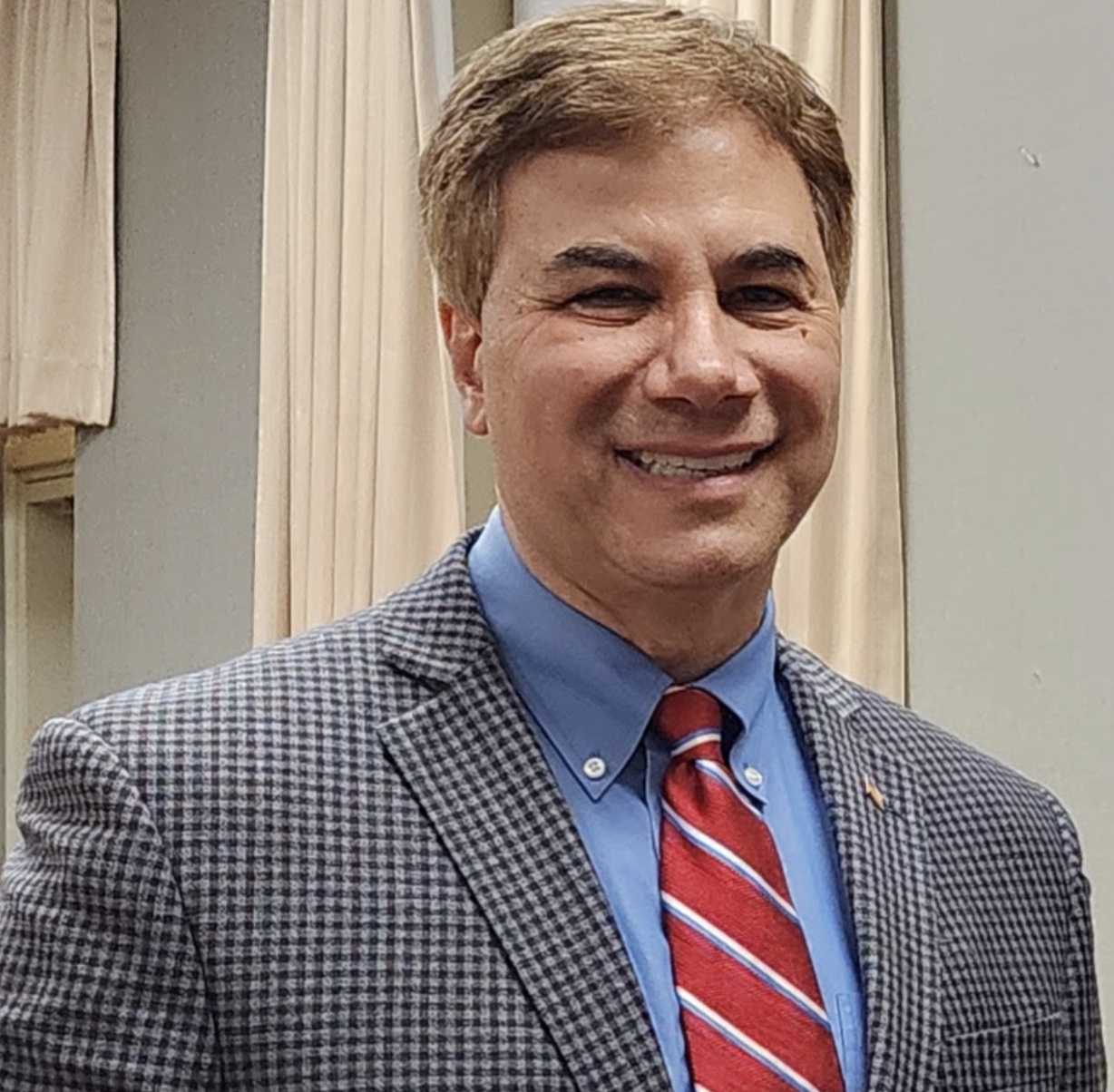
Jim Trakas is a licensed instructor with the Ohio Department of Public Safety’s Driver Training Program. He has a distinguished history of public service, including his role as a former member of the Ohio House of Representatives and current Councilperson at Large for the City of Independence.
As the founder and owner of the American Online Learning Center, Jim has been providing comprehensive behavioral corrective programming since 2014, helping individuals achieve meaningful personal growth and development.
Jim’s commitment to service extends to his military background, where he has earned several prestigious honors. He was awarded the Ohio Commendation Medal by the Ohio Army National Guard and the Pandemic Campaign Medal by the United States Public Health Service. Additionally, he is an Honor Graduate of the Ohio Military Reserve Training Academy’s Officer Candidate School and a two-time recipient of the Military Proficiency Award, as well as the Military Achievement Award.